Embracing Compassion: The Essential Guide to Personalized Care and Support for Seniors
In a world that often emphasizes speed and efficiency, the realm of senior care invites us to slow down, to breathe, and to listen. What if we approached senior healthcare with the same tenderness we show our loved ones? After all, each elderly individual carries a lifetime of experiences, stories, and emotions. Nurturing senior care isn't just a service; it’s an art—one that blends health services and emotional support into a personalized, compassionate approach. It begins with caregivers stepping into their roles not just as providers but as companions. How can we ensure that these beautiful souls feel seen, heard, and cherished?
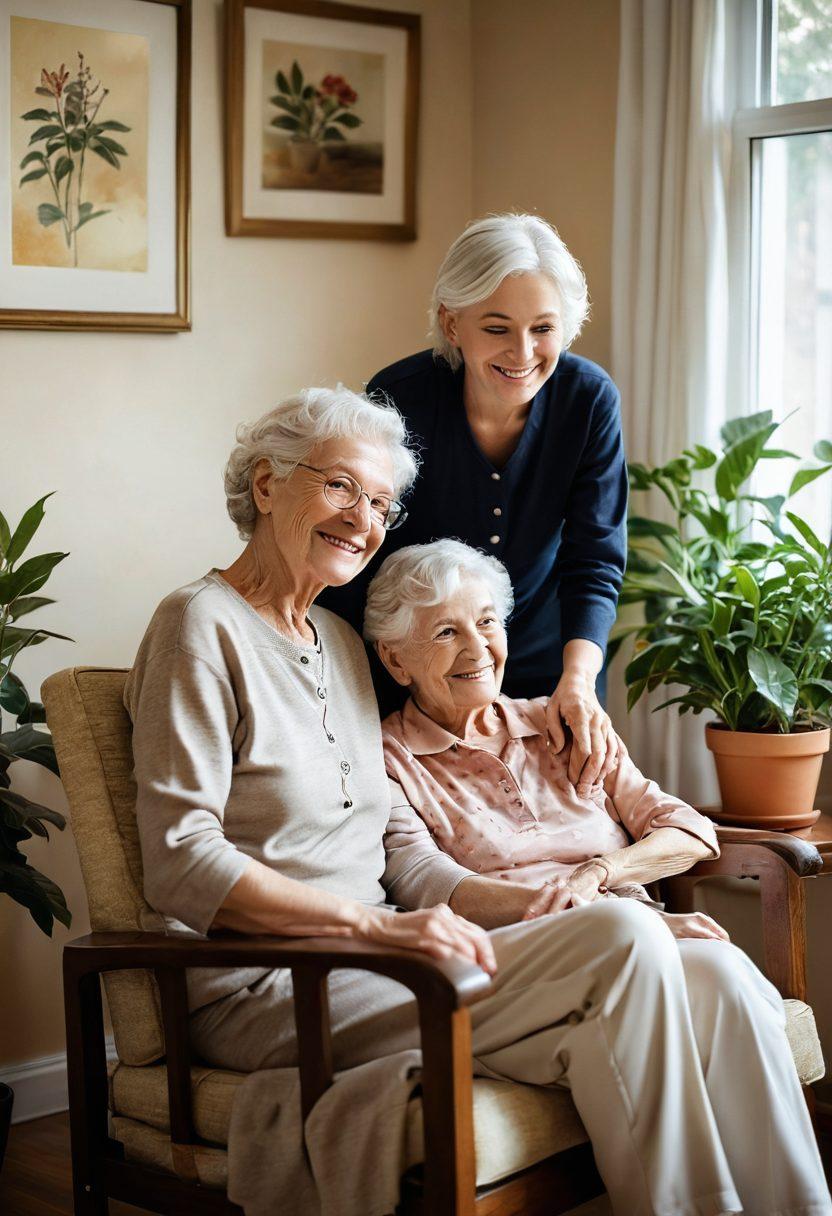
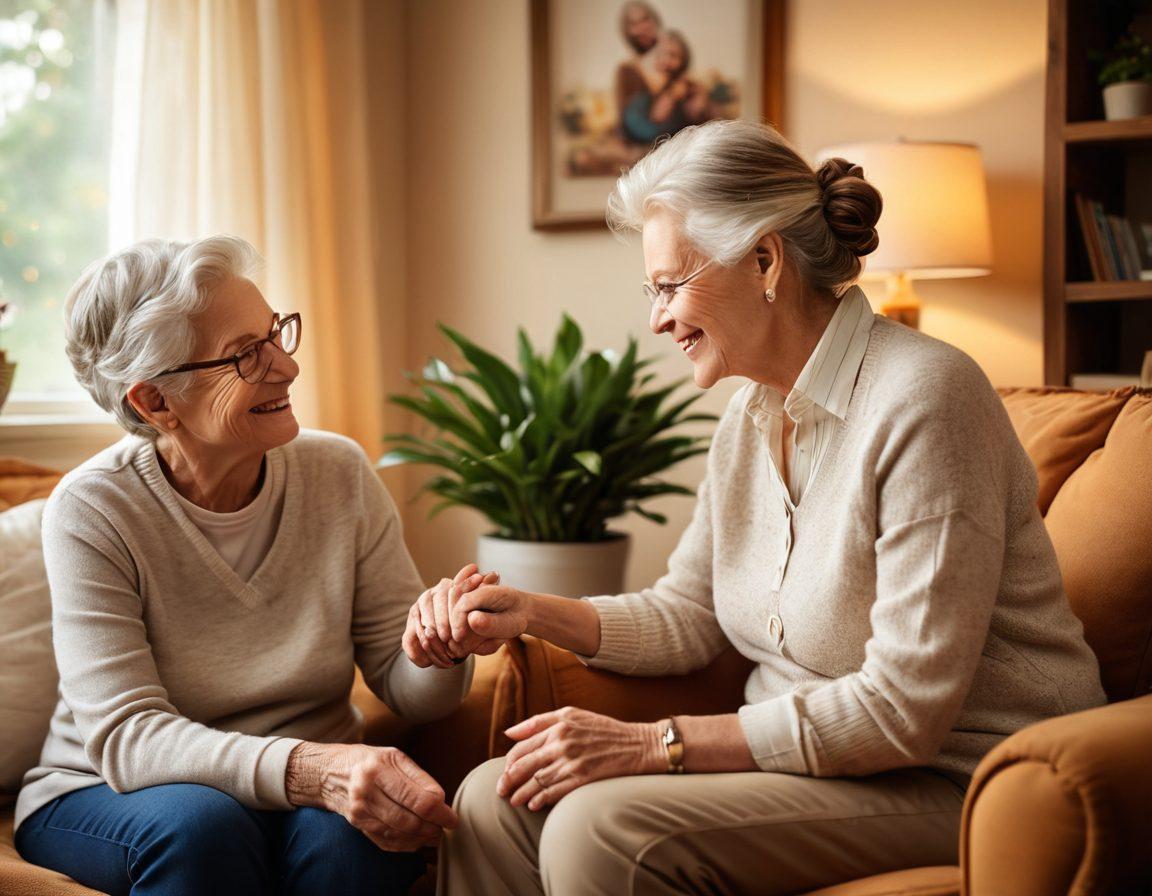
Imagine a caregiver sitting side by side with a senior, both immersed in recollections of days gone by. This is where the magic of compassionate care unfolds. When caregivers invest time in understanding the unique life stories and preferences of their clients, they set the foundation for meaningful connections. It’s about offering more than just patient support; it’s about creating an atmosphere where the emotional support is palpable. This kind of client care nurtures not only the physical well-being of seniors but enriches their mental wellness and helps them thrive. Isn't that the goal of every nurturing community assistance?
But what does nurturing senior care look like in a practical sense? It’s not merely about delivering medications or coordinating healthcare support—although that’s crucial. It’s about fostering an environment where seniors feel empowered and valued. Care coordination can be enhanced by integrated wellness programs that take a holistic approach to health. This means considering the emotional and social aspects as much as the physical health services. Such a comprehensive view allows caregivers and healthcare professionals to advocate for their patients effectively, ensuring no aspect of well-being is overlooked. Could these principles be the key to unlocking a happier, healthier life for seniors?
Furthermore, let’s not underestimate the power of family support in the journey of senior care. The bond between caregivers and family members can create a solid support network that benefits the senior in profound ways. Encouraging families to engage actively and participate in the care process enhances trust and understanding. It smooths the path for collaboration, ensuring that each senior's needs are met with the highest level of compassionate care. How often do we reflect on how family dynamics play a role in the well-being of our elders?
As we navigate this compassionate approach to senior care, let us remember that it's more than just fulfilling a checklist of services. It’s about holding space for our seniors—taking the time to listen, offer companionship, and support their emotional health. By understanding and meeting their needs holistically, we can create a nurturing environment that celebrates life, dignity, and resilience. Are we prepared to embark on this journey to transform senior care into an experience of genuine love and attention? By committing to these principles, we truly have the potential to change lives, one comforting moment at a time.
Personalized Care Strategies: How Caregivers Can Transform Senior Well-being
In a world where speed often overshadows compassion, caregivers stand as guardians of empathy. Personalized care strategies are not just a set of practices; they are vital lifelines for seniors who traverse the often-challenging landscape of aging. Imagine a caregiver entering a home not just with a checklist of health services, but with an open heart and a willingness to listen. Wouldn't it be wonderful if every senior received personalized care that transformed their well-being? This is where the magic of nurturing, compassionate care comes into play, illustrating how small acts can lead to monumental improvements in quality of life.
At the core of every effective caregiving relationship lies the understanding that each individual is unique. The pivotal question here is: How can we mold our assistance to meet these diverse needs? Personalized care is about taking the time to know not just the medical history of a patient, but their preferences, hobbies, and emotional triggers. Whether it's engaging in a discussion about their favorite music or creating a personalized wellness program that incorporates their interests, caregivers can foster a sense of belonging and promote mental wellness like never before. Get to know your client not just as a patient, but as a person.
It's not just about task completion; it's about care coordination that reflects genuine empathy. Caregivers can embrace a holistic approach by collaborating closely with healthcare professionals, family support systems, and community assistance initiatives. Let’s think of a scenario: A caregiver might notice a senior isolating themselves after losing their beloved pet. By advocating for emotional support or incorporating pet therapy into their routine, caregivers can create a tailored strategy that reignites joy in their client’s life. It speaks volumes when seniors feel understood by their caregivers. How can we, as a community, further this admirable cause?
The essence of personalized care lies in patient advocacy. By acting as the voice for those who may struggle to express their needs, caregivers ensure that each senior receives the medical attention they deserve. Imagine a caregiver attending a medical appointment with a senior. Their presence means more than just being there; it's an opportunity to ask the critical questions, seek clarifications, and bring forth concerns that the senior may not feel comfortable mentioning. Care plans become more robust and customized when built on a foundation of trust and understanding.
Envision a world where every caregiver is equipped with the tools and resources that foster such compassionate care. This is not just a dream but a reachable reality. By investing in training focused on personalized care techniques and wellness programs, we are planting seeds for a future where senior care is synonymous with dignity and respect. Let’s step up the conversation around caregiver training and support, and challenge ourselves to ask: How can we make a difference in the lives of our seniors today? After all, nurturing their journey through aging is a community effort filled with love and a commitment to transformation.
Building Community Assistance: The Role of Compassionate Healthcare Professionals in Enhancing Lives
In a world that often feels disconnected, building community assistance, especially for our seniors, has never been more crucial. Compassionate healthcare professionals are the heartbeat of this initiative, blending nurturing care with expert knowledge to enhance the lives of those they serve. The question arises: What does it truly mean to provide compassionate care? It goes beyond just delivering health services; it involves a deep commitment to understand and support each individual’s unique journey toward well-being. Imagine the difference a little love and attention can make; isn’t it time we spotlight these unsung heroes?
When caregivers dedicate themselves to the well-being of seniors, they’re not simply performing tasks; they are fostering relationships built on trust and empathy. The best healthcare professionals understand that emotional support is just as vital as medical treatment. They listen, they laugh, and they share stories with their clients, transforming routine visits into cherished moments. Isn’t it touching how these interactions can lead to significant improvements in mental wellness for seniors? In this age of technological advancement, the human touch remains irreplaceable.
Effective client care goes well beyond the mere provision of services; it embodies a philosophy of care coordination that prioritizes each individual's needs and preferences. Imagine a healthcare team that tailors wellness programs specifically for seniors, thus creating a holistic care experience. By engaging not just with patients, but also their families, compassionate healthcare professionals become advocates for their clients. This sense of family support helps in bridging gaps and ensuring that seniors feel valued and included in decisions regarding their health.
Moreover, let's not underestimate the importance of community assistance. The bonds formed among caregivers, community members, and seniors can lead to life-changing outcomes. Studies have shown that seniors who feel connected to their communities enjoy better health outcomes and enhanced emotional support. So ponder this: How can we as a society foster a stronger community for our aging population? By encouraging compassionate healthcare professionals to work hand-in-hand with local resources, we can create an environment where every senior thrives.
Finally, it’s vital to recognize that compassionate care is an ongoing journey. It’s not just about the one-on-one moments; it’s about building a culture of empathy within all health support systems. As we embrace these principles, we empower caregivers to nurture, uplift, and advocate for our seniors. After all, they deserve our full attention and compassion. Together, we can forge a path toward inclusive and personalized care, ensuring that no senior ever feels alone on their journey.